

Many of my books tell stories from the American Revolutionary period, and I’m drawn to this era because of its continuing relevance and resonance to modern life today. So often, Stephanie and I would be researching and writing about topics our characters were grappling with in the past and then those same issues would be in the news today. That’s because the Founders knew that each succeeding generation would need to play their part in continuing to perfect the union and live up to the ideals they used to justify independence . As Founding Father Benjamin Rush said, “The American war is over: but this is far from being the case with the American revolution. On the contrary, nothing but the first act of the great drama is closed. It remains yet to establish and perfect our new forms of government.”
There are so many interesting things about the American Revolution, so I’ve compiled some of my favorite fun facts here. This will be an ongoing project, so please check back for new topics and categories!
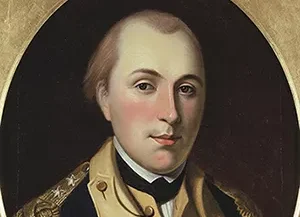
Patsy Jefferson Randolph, 3
Sally Hemings, 3
Dolley Payne Madison, 8
John Quincy Adams, 8
James Forten, 9
James Armistead, 15
Deborah Sampson, 15
Margaret Corbin, 15
Sybil Ludington, 15
Joseph Plumb Martin, 15
Julia Stockton Rush, 15
Peggy Shippen Arnold, 15
Albert Pawling, 16
Timothy Chase, 16
Peter Bowman, 17
William Short, 17
Kate Moore Berry, 17
Agrippa Hull, 17
Marquis de Lafayette, 18
James Monroe, 18
Elizabeth Schuyler Hamilton, 18
George Lewis, 19
Lucy Flucker Knox, 19
Elizabeth Burgin, 19
Sarah Livingston Jay, 19
John Trumbull, 20
John Marshall, 20
Angelica Schuyler Church, 20
Aaron Burr, 20
Nathan Hale, 21
Alexander Hamilton, 21
John Laurens, 21
Mary Ludwig Hays, 21
Benjamin Tallmadge, 22
Robert Townsend, 22
James McHenry, 23
Lucy Littlebury Holcomb, 23
Phillis Wheatley, 23
George Rodgers Clark, 23
Sarah Osbourn Benjamin, 23
Edmund Randolph, 23
George Baylor, 23
Richard Varick, 23
Samuel Blachley Webb, 23
Betsy Ross, 24
Jane McCrea, 24
Gouverneur Morris, 24
William Washington, 24
Ann Bailey, 24
James Madison, 25
Henry Knox, 25
Prince Estabrook, 25
Peter Salem, 25
Abraham Woodhull, 25
Edward Rutledge, 26
Anna Smith Strong, 26
Thomas Lynch, Jr., 26
John Paul Jones, 28
Caleb Brewster, 28
Esther de Berdt Reed, 29
John Paul Jones, 29
Salem Poor, 29
Benjamin Rush, 30
John Jay, 30
Abigail Adams, 31
Tench Tilghman, 32
Elizabeth “Mumbet” Freeman, 32
Sarah Franklin Bache, 32
Thomas Jefferson, 33
Nathanael Greene, 33
Mercy Scollay, 34
William Paca, 35
Benedict Arnold, 35
Sarah Bradlee Fulton, 36
Hercules Mulligan, 36
Prudence Wright, 36
Anna Smith Strong, 36
Two Kettles Together (Tyonajanegan), 36-38
Mary Katherine Goddard, 38
Thomas Paine, 38
Nancy Ward (Nanyehi), 38
Charles Carroll of Carrollton, 39
John Hancock, 39
Daniel Morgan, 39
John Adams, 40
Patrick Henry, 40
Annis Boudinot Stockton, 40
Paul Revere, 41
Daniel Boone, 41
Nancy Hart, 41
Hannah Ogden Caldwell, 42
John Dickinson, 43
Francis Marion, 44
George Washington, 44
Martha Washington, 45
Mercy Otis Warren, 47
Crispus Attucks, 47 (d. 1770)
Lydia Barrington Darragh, 48
Penelope Barker, 48
Samuel Adams, 54
Hannah Till, 55
Benjamin Franklin, 70 (oldest Signer)
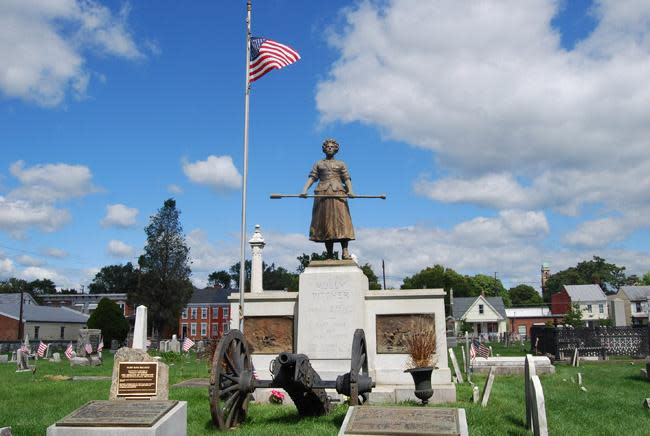
Women served in the Revolutionary War in a variety of ways–as soldiers (sometimes disguised), as spies, and as replacements for fallen husbands. Here are a few examples of women taking up arms:
- Deborah Sampson disguised herself as a man using the alias of her dead brother’s name, Robert Shurtliff, and enlisted in the Fourth Massachusetts Regiment in 1782. She fought in combat, tended to her own battlefield wounds, was honorably discharged in 1783, and later became the first woman to receive a military pension, leaving us an extensive record of her service.
- Mary Ludwig Hays is the primary figure behind the legend of Molly Pitcher, although several other women contributed to that legend as well. Mary carried pitchers of water to cool cannons and quench the thirst of soldiers at the Battle of Monmouth in 1778. When her husband collapsed, she took his place firing the artillery.
- Margaret Corbin accompanied her husband to the Battle of Fort Washington in 1776. When he was killed, she stepped in to load and fire the cannon before she was severely wounded. She became the first woman to receive a lifelong U.S. military disability pension.
- Two Kettles Together (Tyonajanegen) was an Oneida warrior who fought alongside the American revolutionary forces as early as 1777 when she rode into combat at the Battle of Oriskany alongside her husband. When he was shot, she continued to fight. She also served as a messenger between backcountry forts, transported messages during the Battle of Saratoga, and helped defend Fort Timmerman against a larger force of Loyalists and British-allied Indians.
- Kate Moore Barry operated as a scout and guide for General Daniel Morgan. In 1781, she rode through the backcountry rallying militias and volunteers to defend against General Cornwallis’s impending attack significantly increasing the personnel on the American side and becoming known as the “heroine of Cowpens.”
- Prudence Cummings Wright organized an armed militia of women in Pepperell, Massachusetts, when the town’s men marched off to battle. When she discovered Tories, including her brother, were smuggling information from Canada to Boston across the town bridge, she captured and imprisoned them, preventing the British in Boston from learning about American troop movements.
- Anna Marie Lane dressed as a man and accompanied her husband when he enlisted in the Continental Army in Virginia. The two fought side-by-side through numerous battles between 1776 and 1781. Anna was awarded a pension for her heroism during the Battle of Germantown.
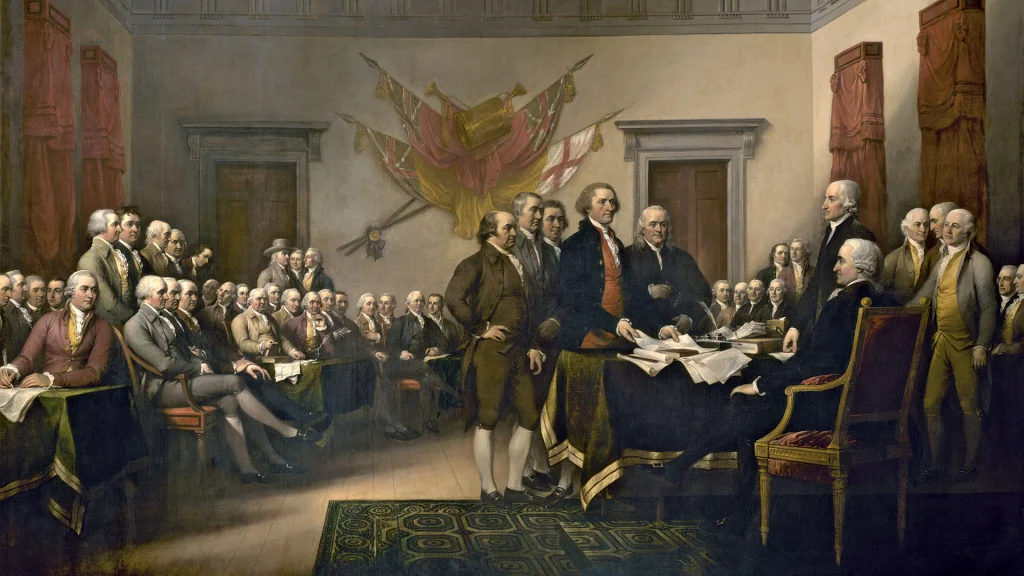
July 4, 1776, is the date that the Continental Congress officially adopted the Declaration of Independence, which is why that date became celebrated as Independence Day. But there are some other dates that could’ve been just as good–or maybe even better–candidates for that honor, including:
July 2, 1776 (The Actual Vote) – This was the date that the Continental Congress officially voted in favor of the resolution for independence. In fact, delegate John Adams predicted “The Second Day of July 1776, will be the most memorable Epocha in the History of America.”
August 2, 1776 (The Mass Signing) – It took a few weeks for the delegates to officially sign the Declaration of Independence, so the signing day was another date that could’ve legitimately been celebrated as Independence Day.
September 3, 1783 (The Treaty of Paris) – Unlike the other dates, this one has little to do with the Declaration of Independence. This date represents when the Americans received Britain’s actual recognition of American independence with the signing of the treaty that ended the Revolutionary War. So get ready for another 250th celebration in 2033!
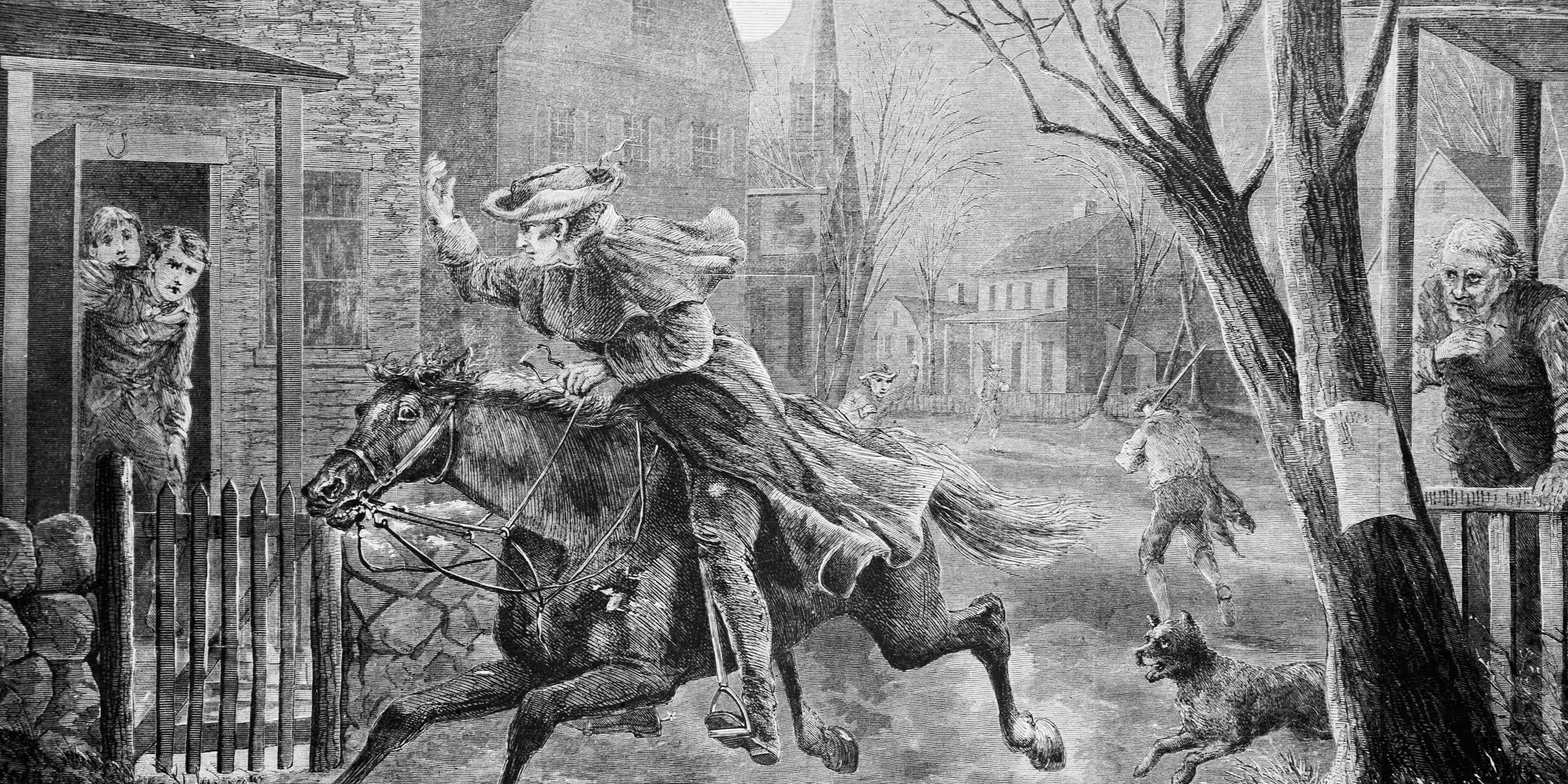
Paul Revere was the most famous of all the midnight riders who made long, heroic horseback rides to warn their fellow citizens of the impending arrival of hostile British forces–but he wasn’t the only one. Indeed, Revere wasn’t even the only one on his own ride on April 18, 1775; instead, he was part of a large, pre-arranged network of messengers. So let’s remember the others who helped spread the word:
Key Riders on the Night of April 18, 1775:
- William Dawes – Left Boston with Revere but took a different route to Lexington
- Dr. Samuel Prescott – Joined Revere and Dawes on the road and successfully evaded a group of British to become the only rider to complete the full journey to Concord
- Robert Newman – The sexton at the Old North Church in Boston (who hung the famous signal lanterns in the steeple)
- Isaac Hull, Solomon Brown, and others – Local militia captains who spread the word
Other Famous Revolutionary War Riders:
- Sybil Ludington – At just 16, Sybil rode 40 miles through a storm to rouse her father’s militia after the British attacked Danbury, Connecticut on April 26, 1777
- Israel Bissell – Rode 345 miles from Watertown, Massachusetts, to Philadelphia in April 1775 to spread news of the battles of Lexington and Concord, shouting, “To arms, to arms, the war has begun!”
- Tench Tilghman – One of Washington’s trusted aides-de-camp, Tilghman rode nearly 200 miles from Yorktown, Virginia, to Philadelphia in October 1781, to deliver the news of British Lord Cornwallis’s surrender to the Continental Congress
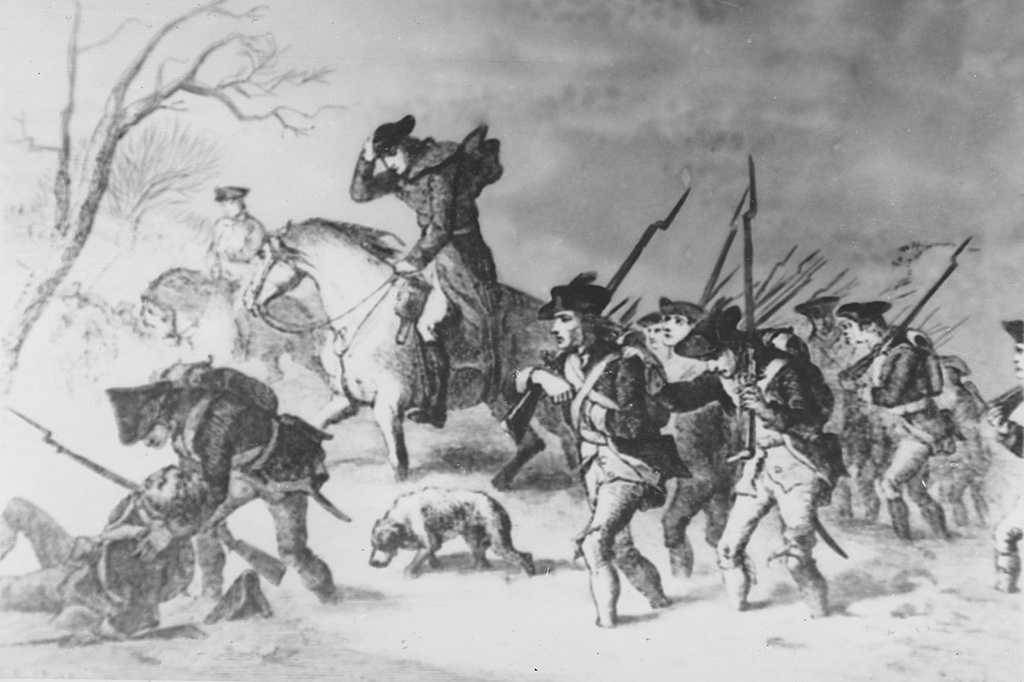
About 230,000 Americans served in the American Revolutionary War, with another 50,000 British troops occupying the colonies at the height of the war. And the leading cause of death during the war…was disease. Here’s the estimated breakdown:
- 17,000 are estimated to have died from diseases like typhus, typhoid, dysentery, and influenza
- 6,800 Americans were killed in actions
- 24,000 British soldiers were casualties from the war, including all those who were killed in action, lost or disease, or otherwise went missing
- 100,000 people died during the war from a smallpox epidemic that raged through the States, leading Washington to issue a mandate for smallpox innoculation for the Army in early 1777
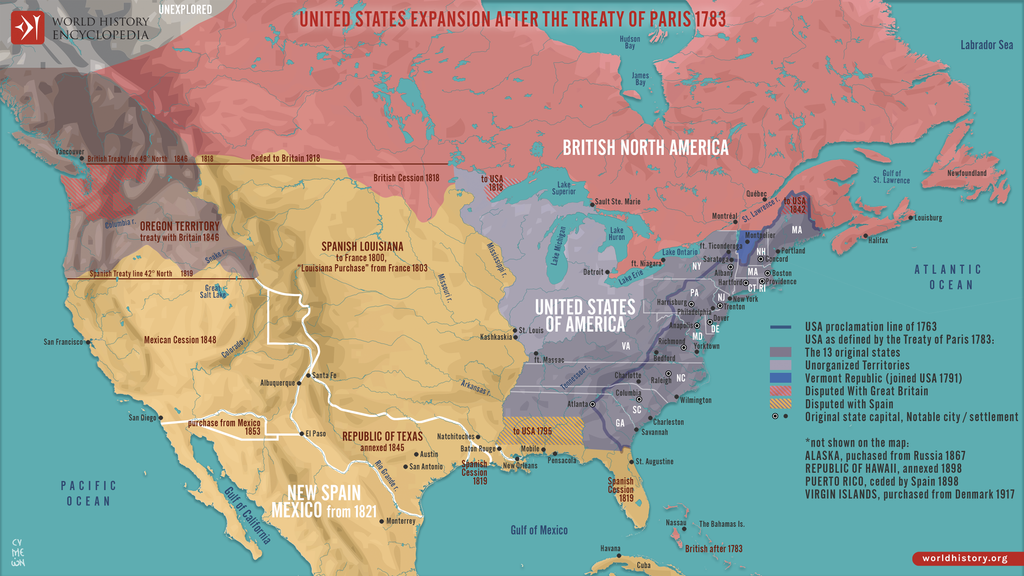
The American colonies had no chance of winning their independence alone; they had to get the other European powers involved. That effort–along with colonial rivalries leading other nations to take advantage of Britain’s crisis and over-extended military personnel and resources–quickly expanded the Revolutionary War from its initial conflicts in Lexington and Concord in 1775 to a world war that was fought on land and sea in North America, the Caribbean, India, the coast of West Africa, and in the English Channel.
The stage for this global conflict was set during the Seven Years’ War (1754-1763), which itself was a global conflict wherein France was forced to give up its territorial claims in North America to Britain and Spain. Unsurprisingly, they were eager for revenge.
How it Escalated into a World War:
- 1775-1778 – Primarily a colonial rebellion within the British Empire and a civil war between Patriot and Loyalist American colonists
- 1775 – Spain secretly sends money, materiel, and medical supplies to the United States; the governor of Spanish Louisiana closes the port of New Orleans to British ships while allowing American ships
- 1777 – Great Britain requests Russian assistance; Russia says no
- 1778 – Following the signing of the Franco-American Treaty of Alliance, France entered the war on the side of the United States, providing troops, money, materiel, and their powerful navy
- 1779 – Spain entered the war on the side of the United States in the hopes of reclaiming territories like Gibraltar and Florida
- 1780 – The Netherlands provided the U.S. government with critical financial aid and official recognition, triggering the Fourth Anglo-Dutch War
- 1780 – Russia creates the First League of Armed Neutrality, a significant diplomatic policy that demanded that all European nations adhere to certain rules of neutrality around shipping and commerce; most European nations agreed
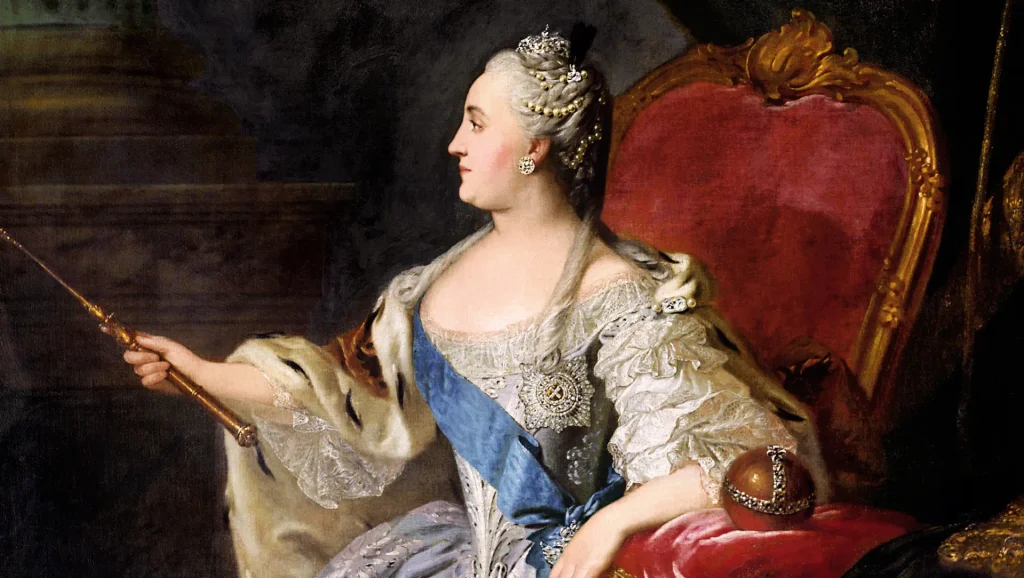
- 1781 – Russia’s Catherine the Great attempted to mediate a ceasefire between America and Britain, but he latter’s loss at Yorktown made it irrelevant
Right now you might be thinking, “Huh?” But, yes, the Russians were exploring and colonizing North America before, during, and after the American Revolution.
Russia’s first expeditions to the west coast of North America occurred in the 17th century, but it was two expeditions in 1729 and 1741 that finally had them make it ashore in Alaska. Lured by the valuable fur trade, Russian traders established trading posts by the 1760s, although their relations with the local Aleut Indians were always tense.
When news of the Declaration of Independence reached Russian officials, their reaction was generally supportive of the colonists. The Russian ambassador in London praised the colonists’ leadership, bravery, and virtue, and Catherine the Great blamed the British Crown’s policies towards the colonies. Slyly, she also noted “that the separation of the colonies from the mother country did not conflict with the interests of Russia and might even be advantageous to her.”
In 1775, Britain sought a military alliance with Russia and formally requested that Catherine send 20,000 troops to North America. However, Catherine viewed King George III with contempt, leading her to reject both requests. When Spain entered the war in 1777, Britain requested support from Russia’s navy, but Catherine rejected that appeal as well.
In 1780, Catherine created the First League of Armed Neutrality, a significant diplomatic policy and declaration that demanded that all European nations agree to the following terms (among others): 1) that neutral ships be allowed to visit the ports of fighting nations, and 2) that if neutral ships carry goods from fighting countries, other countries will permit them to pass without hindrance. Most of Europe agreed, but not the British because it conflicted with parts of their wartime strategy in North America.
In 1781, Catherine attempted to act as a mediator between the Americans and Britains by submitting a ceasefire plan. However, the American victory at Yorktown in 1781 made her effort irrelevant as the British surrendered. Still, Catherine’s efforts for mediation served to legitimize the American cause, creating a slow swell of support for American independence among other European countries.
By 1783, merchants from Russia and the new U.S. were freely trading with each other. In 1807, Russia provided full diplomatic recognition of the new American republic.
Benjamin Franklin was one of the oldest Founding Fathers–and one of the most important. Franklin influenced almost every part of the push for independence, particularly through his roles in diplomacy, government, and drafting the founding documents. John Adams even recognized his significance (even though he wasn’t Franklin’s biggest fan), when he sarcastically wrote to Jefferson in 1815: “The essence of the whole [history of the Revolution] will be that Dr Franklin’s electric rod smote the earth and out sprang General Washington. Then Franklin electrified him, and thence forward those two conducted all the Policy, Negotiations, Legislations, and War.” Franklin’s key contributions include:
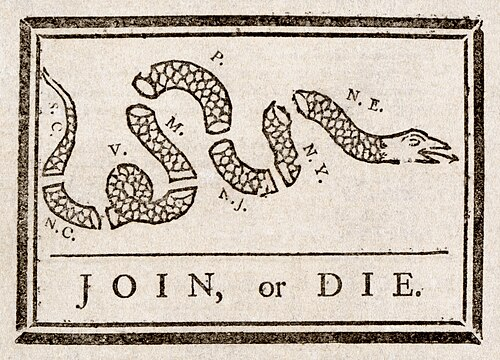
- Long before the Revolutionary War, Franklin was a voice for American unity. At the Albany Congress in 1754, he circulated the famous “Join or Die” cartoon in an attempt to rally the Americans against the French. He also proposed the Albany Plan–a plan of union for the colonies that later inspired the Articles of Confederation.
- Helped secure the repeal of the hated Stamp Act of 1765 by lobbying against it in London
- As a delegate to the Second Continental Congress in 1775, he helped organize the war effort and worked on the Olive Branch Petition to the king.
- In 1776, he served on the committee to draft the Declaration of Independence and was one of the three most influential members in shaping its language.
- In 1777, Franklin recruited Friedrich Wilhelm von Steuben, a Prussian military officer with an expertise in military training. At Valley Forge, Major General von Steuben implemented a training regimen that greatly improved the Continental Army’s effectiveness. He also wrote a training manual for the Army known as the Blue Book, which the Army used for the next four decades.
- As ambassador to France from 1776-1785, he secured the Franco-American Alliance in 1778 that was responsible in total for sending 40,000 men and the equivalent of between $37 and $90 billion in financial aid, equipment, arms, and ammunition, turning the tide of the war to the Americans.
- In 1787, he served as the oldest delegate at the Constitutional Convention and signed the U.S. Constitution.
- He is the only Founder to have signed four of the major foundational documents: the Declaration of Independence, the Franco-American Alliance Treaty, the Treaty of Paris, and the U.S. Constitution.
And, of course, all of this was in addition to his extensive scientific, intellectual, educational, philanthropic, and inventor activities and achievements.
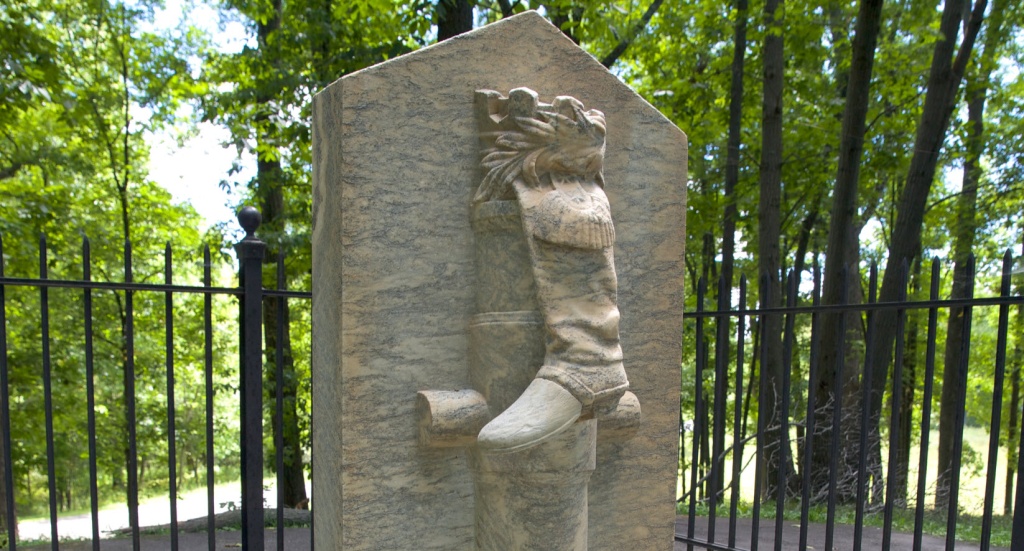
Look, I don’t make the rules. These figures were just the worst! Read on and tell me I’m wrong! *wink*
Major General Horatio Gates – This guy is one of the Revolutionary War’s most controversial figures for a reason (actually, for many reasons). He was one of the conspirators behind two of the political plots against George Washington (the Conway Cabal and the Newburgh Conspiracy). As if that wasn’t bad enough, a glory-hungry Gates had a bad habit of taking credit for the military achievements of others and on more than one occasion made excuses for why he couldn’t follow orders to attack that missed important opportunities to harm the British cause. In August 1780, he was responsible for the routing of the Army of the Southern Department at the Battle of Camden, losing nearly 1,000 men plus the army’s baggage train and artillery. Just the worst!
Major General Benedict Arnold – We all know that Arnold was a traitor to the Patriot cause, which is more than enough to earn him a spot on this list. His history is a bit complicated though, because he had some legitimate reasons to be disgruntled. Despite his distinguished service in several key battles, he was passed over for promotion several times and was publicly criticized for his leadership style in a way that he believed harmed his reputation, and all of this happened while he was grieving the death of his first wife and battling the pain of a leg injury he’d received at Saratoga (the above statue at Saratoga commemorates just that part of him!). Still, he betrayed a lot of good men’s trust (including two of my favorites, Washington and General Philip Schuyler). Had his plot to surrender the strategically significant fort at West Point to the British (for cash, no less!) been successful, it would’ve seriously damaged the Americans’ military prospects in the war–and his actions led to the capture and execution of the charming British spymaster, John Andre. Just all around the worst!
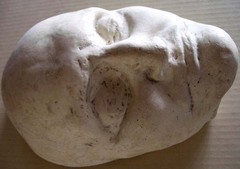
Vice President Aaron Burr – You were waiting for his name to show up, weren’t you? I mean, just look how long this entry is! Part of me wants to acknowledge that this guy once had potential–he dropped out of college in 1775 to fight in the war, becoming one of Washington’s aides-de-camp. But then you find out that his own men hatched an assassination plot against him in 1777 because of his harsh discipline and leadership style, and, well, here we are, right back on this list. Especially since, having been warned of the plot, he secretly emptied his men’s guns of ammunition, and when one man later brandished one of those guns at him, Burr raised his sword and hacked off the man’s arm–despite knowing the gun wasn’t loaded! After resigning from the military due to his declining health, Burr met Theodosia Bartow Prevost in 1778 and fell in love–despite her being married. When her husband died abroad several years, their open secret of an affair became official and they married. He had a respectable twenty-year career as a lawyer and politician before running for the presidency in 1796 and 1800. During those decades, he often worked with Alexander Hamilton, though their relationship became ever more contentious as they found themselves on opposite sides of the developing partisanship of the 1790s. In the Election of 1800, the two men campaigned for their respective parties. The election resulted in a tie, one that took the Electoral College 70+ votes to resolve–which they did after Hamilton spoke in favor of Jefferson as the best man for the presidency. Hamilton’s influence was enough to swing it, making Jefferson the new president and Burr his vice president (only for Jefferson’s first term, because TJ didn’t trust him). Burr was furious at Hamilton. Then he was furious at being ousted from the vice presidency. When he’d learned that Jefferson wasn’t keeping him on, he ran instead for the New York governorship–and lost that, too. Now he was even madder. Into that moment, Alexander just had to act like Alexander (i.e., stir the pot and make trouble), leading to a correspondence war that resulted in a challenge to a duel–where Burr shot and killed America’s $10 Founding Father and future Broadway star. Charged with multiple crimes in NY and NJ, including murder, Burr fled, served out the rest of his vice presidency, then headed west where he cooked up a scheme that created an international incident and landed him under arrest for treason in 1807, though he was later acquitted (this time Jefferson was the furious one). His reputation ruined, Burr exiled himself to Europe, and later returned and married New York’s wealthy widow, Eliza Jumel. It wasn’t long before Eliza realized he was blowing through her money with his land speculation losses, and she separated from him four months later, using Alexander Hamilton, Jr., as her divorce lawyer (isn’t that delicious?). Burr died of a stroke the following year. I’m not sure he could’ve been worse!
General Sir Banastre Tarleton – Since they were our enemy in this war, it’s not surprising that the British were the worst, but this guy took that to another level. In charge of the British Legion in the southern theater of the American Revolution, Tarleton became known for his brutality towards Continental soldiers and American civilians alike, particularly refusing to offer quarter to surrendering or injured troops and arbitrarily confiscating citizens’ property for his own use. Ugh, the worst!
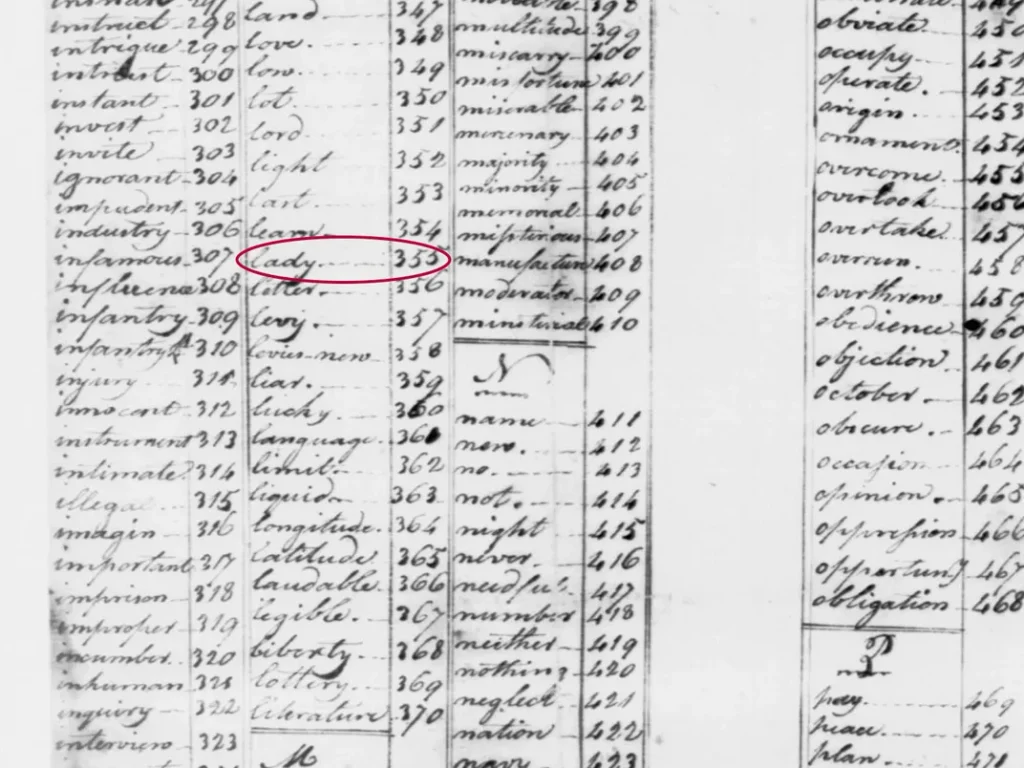
355 is believed to have been the code name of a female spy who was part of the Culper Ring, a spy network that operated in and around New York City from 1778 to 1783. Organized by Major Benjamin Tallmadge, the ring proved to be an effective intelligence-gathering operation, thwarting British plans to circulate counterfeit Continental currency, protecting French ships from a surprise British assault, and uncovering the plot by Benedict Arnold to surrender the fort at West Point to the British. If you’ve seen the historical drama, Turn: Washington’s Spies, you’ll be familiar with cabbage farmer Abraham Woodhull and his network of spies.
Women have served as highly effective spies in many wars. They are notably more apt to keep secrets, get less lonely in the field, and perhaps most significantly, are often overlooked and dismissed by men as posing no threat, enabling their freer movement during wars. 355 is said to have been an effective operator, gathering valuable intelligence on troop movements, supply routes, and military plans. But if 355 truly existed, who might she have been?
Here are details about 355 that most agree on, based on the records:
- She was recruited by Abraham Woodhull
- She may have had some degree of social prominence
- She likely lived in New York City
- At some point she had contact with Major John Andre and Benedict Arnold
Possible candidates:
- Anna Strong – Anna was Woodhull’s neighbor and was known to help the ring, communicating with another member using her hanging laundry as a signal system
- Betty Floyd – Betty was the 20-year-old cousin of Robert Townsend, a known member of the ring; she was also the niece of a signer of the Declaration of Independence.
- Sarah Townsend – Sister of Robert Townsend, a known member of the ring. She lived at the Townsend estate, Raynham Hall, in Oyster Bay, New York, which British office John Graves Simcoe of the Queen’s Rangers requisitioned as his residence for a time. Simcoe ultimately proposed to Sarah, though she declined. Legend says that Sarah is the one who overheard Arnold’s plans to surrender West Point from the officers at Raynham Hall and passed on the word to others in the network.
- Lydia Barrington Darragh – Lydia, her teacher husband, and their five children lived in Philadelphia in 1777 when the British occupied the city. General William Howe moved into the home across the street from theirs and wished to expand his headquarters into the Darragh home as well. The couple was able to persuade Howe to allow them to stay in exchange for allowing the British to use their parlor as a meeting space. Because the couple were pacifists, the British did not see them as a threat. But once her oldest son joined the Continental Army, Lydia gathered overheard intelligence and passed it on to her son, preventing a planned attack.
- Liss – Liss, or Elizabeth, was a woman enslaved by the Townsend family at Raynham Hall. In May 1779, she escaped but was subsequently enslaved again in New York City, possibly in the home of a British officer, allowing her to become a mole in his household and pass intelligence to Townsend.
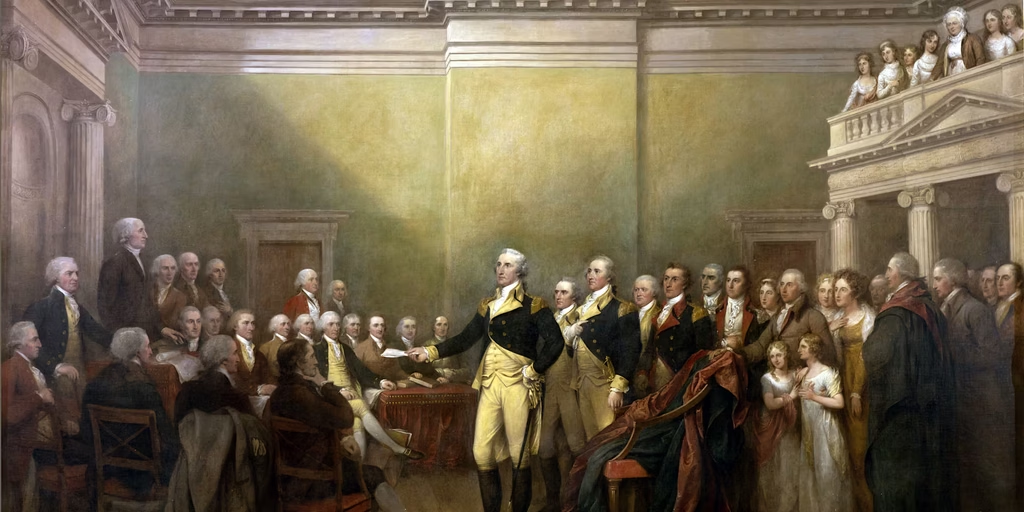
During the Revolutionary War, the British weren’t the only threat to General George Washington. He faced at least one assassination plot and several political plots to have him removed from command. These included:
The Hickey Plot, 1776: This Loyalist conspiracy was orchestrated by New York Royal Governor William Tryon and New York City Mayor David Mathews, who aimed to assassinate or kidnap Washington to incapacitate the Continental Army. The conspirators aimed to turn members of Washington’s bodyguard unit, most notably Private Thomas Hickey, who was arrested, confessed, and court-martialed then hanged for mutiny and treason on June 28, 1776.
The Conway Cabal, 1777-1778: Disgruntled by military setbacks, Continental Army officers like Brigadier General Thomas Conway and Major General Horatio Gates plotted with members of Congress to have Washington replaced as commander-in-chief. The plot collapsed when intercepted letters rallied widespread public support for Washington.
The Newburgh Conspiracy, 1782-1783: Unpaid Continental Army officers at Newburgh, New York, began to plot a pressure campaign to force payment, but Washington was able to defuse the situation with a moving speech and a congressional compromise that offered at least some pay.
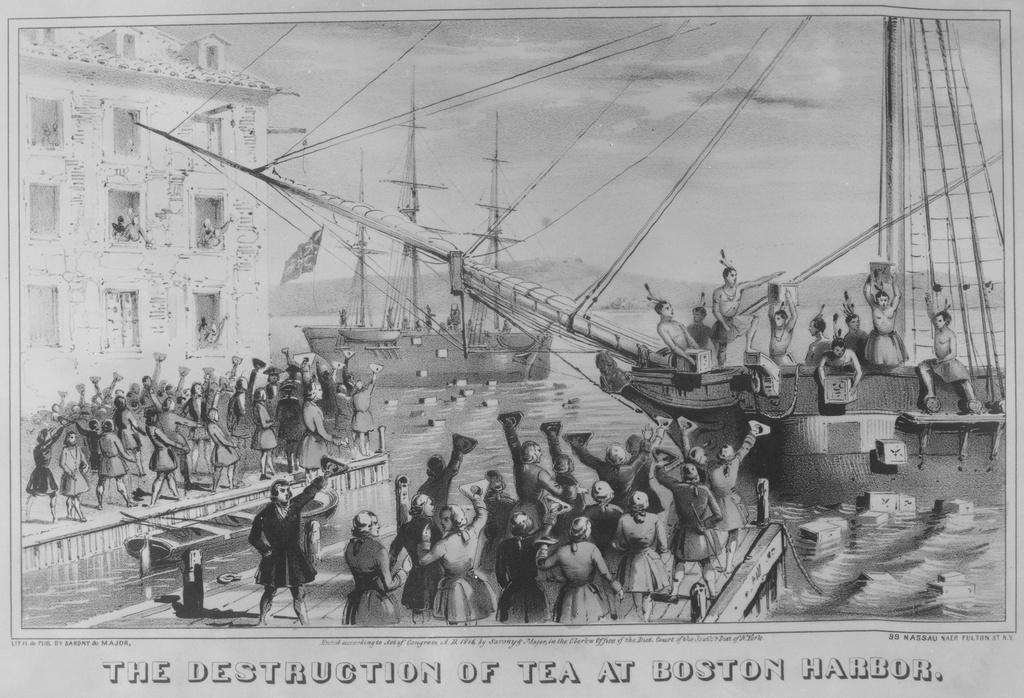
Boston’s Tea Party on December 16, 1773, might’ve been the most famous protest against the 1773 Tea Act, but it was far from the only one. Americans in these cities also held protests:
December 3, 1773: Charleston, South Carolina
December 13, 1773: Lexington, Massachusetts
December 25-27, 1773: Philadelphia, Pennsylvania
December 31, 1773: Provincetown, Massachusetts
January 1774: Princeton, New Jersey
April 10th 774: New York City, New York
October 1774: Edenton, North Carolina
October 19, 1774: Annapolis, Maryland
November 7, 1774: Yorktown, Virginia
December 22, 1774: Greenwich, New Jersey
March 2, 1775: Providence, Rhode Island